

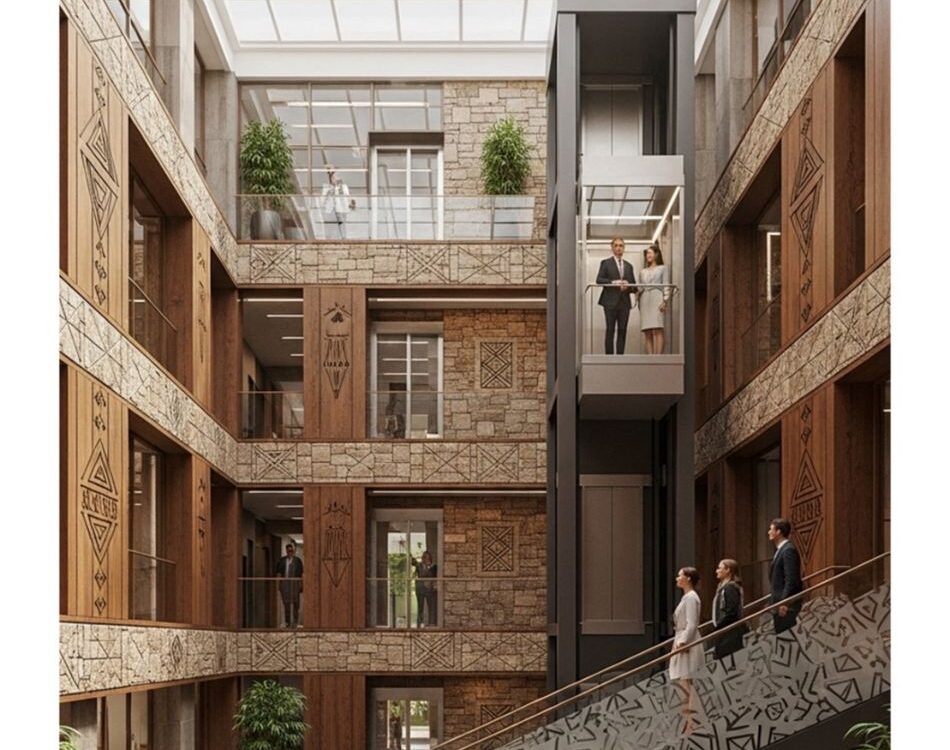
The Role of Elevators in Modern African Architecture
INTRODUCTION
Africa’s architectural landscape is changing rapidly. From Lagos to Nairobi, Accra to Johannesburg, the continent is experiencing a surge in mid-rise and high-rise developments driven by urban population growth, commercial expansion, and rising technological adoption. As buildings grow vertically, elevators have shifted from being luxury add-ons to essential infrastructure. They now serve as critical components in safety, accessibility, efficiency, and the modernization of African cities.
Elevators are no longer just transport systems; they are indicators of development, engineering progress, and architectural ambition. Understanding their role in shaping modern African architecture helps stakeholders—developers, policymakers, architects, and facility managers—build smarter, safer, and more sustainable cities.
TRENDING TOPIC: VERTICAL MOBILITY AND SMART URBAN GROWTH IN AFRICA
One of the fastest-growing trends in African real estate is vertical mobility—the move from horizontal, sprawling buildings to vertical, stacked structures. The rise of smart buildings, eco-friendly construction, and space-efficient designs has pushed elevators to the center of architectural planning.
- Key trends shaping this conversation include:
- Smart elevators with IoT integration
- Machine-Room-Less (MRL) elevators for space optimization
- Energy-efficient elevator systems for sustainable architecture
- Enhanced safety compliance due to stricter building codes
- Premium traction systems for high-rise towers in major African capitals
As Africa urbanizes, elevators are trending—not just as mechanical systems but as symbols of progress.
OBJECTIVE OF THE ARTICLE
This article aims to:
Explain how elevators support modern African architecture.
Highlight the technological trends transforming vertical mobility.
Show why elevators are central to sustainable, efficient, and inclusive building design.
Educate developers and architects on the growing importance of advanced lift systems in Africa.
Demonstrate how elevators directly influence user experience, building value, and safety.
Body
- Elevators as Drivers of Vertical Expansion
African cities are running out of horizontal space. Rapid population growth demands compact, multi-storey structures. Elevators enable this shift by making taller buildings functional and accessible. Developers can now maximize land value while improving traffic flow within structures. Without reliable elevator systems, high-rise construction would not be feasible.
2. Enhancing Accessibility and Inclusive
Modern African architecture must prioritize accessibility—especially for the elderly, people with disabilities, and individuals with mobility challenges. Elevators provide:
- Barrier-free access
- Safer movement for all users
- Compliance with global accessibility standards
Countries like South Africa, Nigeria, Kenya, and Rwanda are rapidly upgrading their accessibility policies, increasing demand for quality lift installations.
3. Integrating Smart Technologies in African Buildings
Elevators in Africa are becoming smarter through systems such as:
- Predictive maintenance: reducing breakdowns and operational costs
- Destination control systems: improving traffic flow
- IoT-connected sensors: offering real-time monitoring
- Energy recovery drives: lowering power consumption
- Smart elevators enhance building intelligence, reduce downtime, and extend lifespan—critical features for high-demand urban environments.
4. Elevators as Architectural and Aesthetic Enhancers
Beyond functionality, elevators contribute to the visual and experiential identity of a building. Modern African designs now use:
- Glass panoramic elevators
- Sleek stainless-steel cabins
- Customisable interiors
- Noise and vibration reduction systems
These enhance the user experience and create premium impressions in malls, hotels, corporate towers, and luxury homes.
5. Sustainability and Energy Efficiency
- Sustainability is becoming a cornerstone of African architecture. Elevators contribute by:
- Consuming less energy through regenerative drives
- Reducing the need for large mechanical rooms (MRL technology)
- Lowering carbon footprint of buildings
- Supporting green certification efforts
Elevator systems now align with eco-friendly architectural goals, making them integral to Africa’s green future.
6. Boosting Real Estate Value and Marketability
Elevators significantly increase a building’s market value. Tenants, buyers, and investors now prioritize structures with:
- Reliable lifts
- Smooth rides
- Minimal downtime
- Modern aesthetics
- Smart features
Developers who invest in advanced elevator solutions gain higher returns and stronger competitive positioning.
7. Safety and Compliance in Modern African Construction
- Safety remains a top priority. Modern elevators come with:
- Automatic rescue devices
- Real-time safety diagnostics
- Fire emergency operation modes
- Anti-entrapment mechanisms
This shift ensures safer mobility while aligning African buildings with international standards.
CONCLUSION
Elevators play a transformational role in modern African architecture. They enable vertical expansion, enhance accessibility, improve building efficiency, and elevate the experience of users. As cities grow, the need for smarter, safer, and more sustainable elevator solutions continues to rise.
Modern African architecture is not complete without advanced vertical mobility systems. The future of building design across the continent will be defined by how well developers and architects embrace this essential technology.

Related posts
From Luxury to Necessity: The Evolution of Home Elevators in Africa
Elevating Safety: Why Elevator & Escalator Security Must Be Top Priority

Platform Lift vs Staircase Lift – What’s the Difference?


